The Neighborhood
Seattle’s Central District.
This page is the record. Everything on it comes from a source you can go check yourself, and the sources are listed at the bottom. Where we don’t know something, we say so.
assets/neighborhood-jackson.jpg
1. How it was made
A neighborhood built by a line on a map.
Black Seattle didn’t choose the Central District so much as it was routed there. Through the middle of the twentieth century, redlining and racially restrictive covenants — clauses written into property deeds barring sale to Black buyers — kept most of the rest of the city closed. What was left open was the CD.
That’s the part worth sitting with: the density and closeness people remember so fondly was manufactured by exclusion. Folks made a whole world inside a boundary somebody else drew. Both things are true, and neither one cancels the other.
2. Jackson Street
Over thirty clubs on one street.
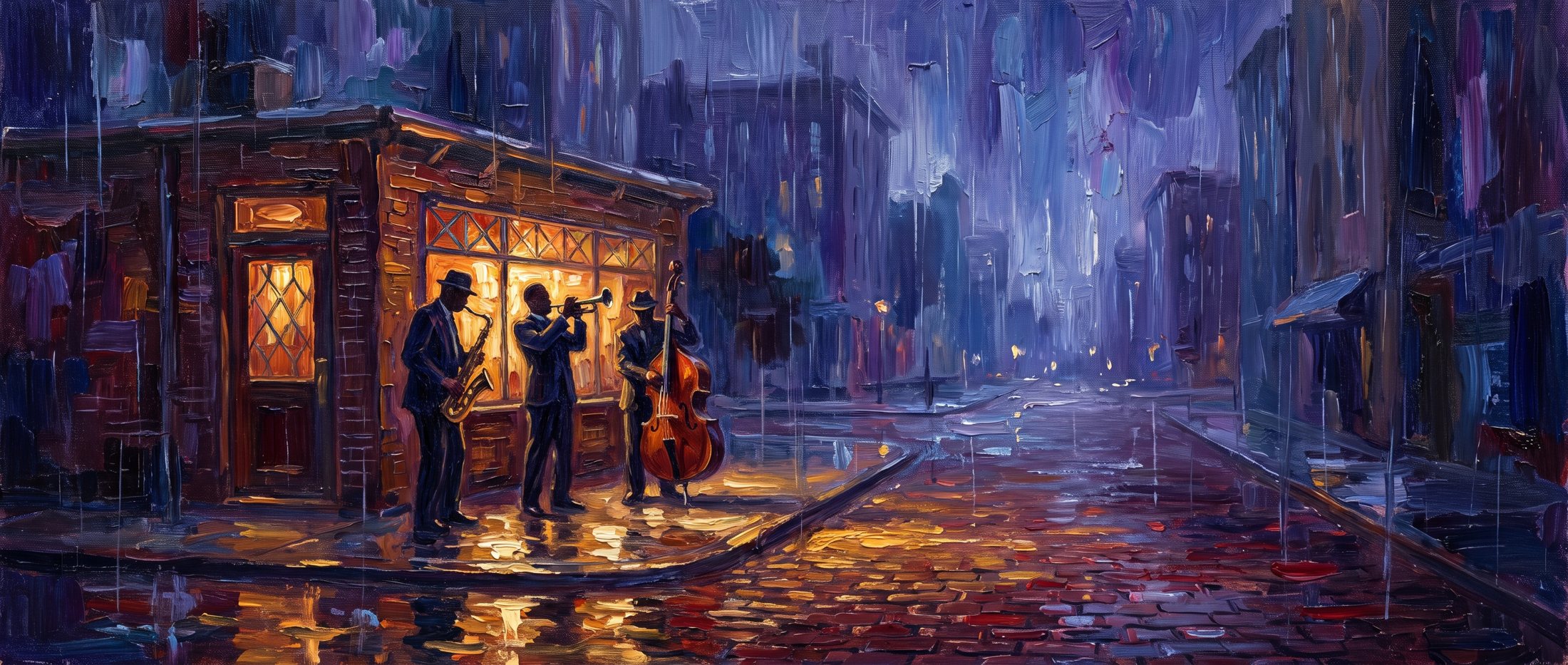
South Jackson Street ran more than thirty jazz clubs. Not a scene that visited — a scene that lived here. Ray Charles, Quincy Jones, and Ernestine Anderson all came up on and around Jackson.
And in 1959, a kid from the neighborhood named Jimi Hendrix played his first gig in the basement of Temple de Hirsch, right there in the CD. His band fired him halfway through the set for showing out too much.
The most famous guitarist who ever lived got cut mid-show at a basement gig on our blocks. That’s the neighborhood.
3. Garfield
The school was the center of gravity.
By 1961, 51 percent of Garfield High School’s students were Black — in a district that was 5.3 percent Black overall. That gap is what segregation looks like written into an attendance roster.
It also made Garfield a room worth speaking in. Martin Luther King Jr., Jesse Jackson, and Stokely Carmichael all spoke there.
Share of Black students at Garfield versus the Seattle school district, 1961.
4. The turn
From ninety percent to under ten.
In the 1960s, around 90 percent of Central District residents claimed Black heritage. By the late 2010s that had fallen below 10 percent. Local reporting has tracked the same decline for years and projected it going further.
Those are two numbers describing tens of thousands of individual moves — sales, rent hikes, inheritances, a landlord’s decision, a family deciding it was time. No single villain, one very consistent direction.
Share of Central District residents claiming Black heritage, 1960s compared with the late 2010s.
5. What actually happened to the people
They didn’t vanish. They moved south.
This is the part that gets lost when displacement gets talked about as a disappearance. The Central District’s community was not erased. It was relocated — largely into South King County, mostly inside a ten-to-twenty mile radius of where it started.
Skyway. Renton. SeaTac. Des Moines. Kent. Federal Way. Auburn. Same families, same names, same schools in the family tree, spread across a county instead of stacked on a few blocks.
Which means the neighborhood is still reachable. It just doesn’t have an address anymore. Giving it one is the entire point of this site.
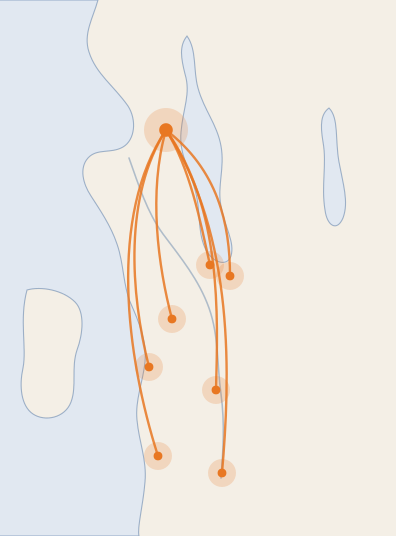
Where the lights went — and stayed lit.
- Central District
- Skyway
- Renton
- SeaTac
- Des Moines
- Kent
- Federal Way
- Auburn
Illustration, not a survey. These are the places the community most often names. Mapping this properly — with real numbers, from real families — is work we still have to do. That starts with you.
6. The big three
Beach, Franklin, Garfield.
Three high schools are the threshold of this community. Most families can trace a line through at least one of them, and a lot can trace all three. Ask somebody where they’re from around here and the school comes out before the street does.
Garfield
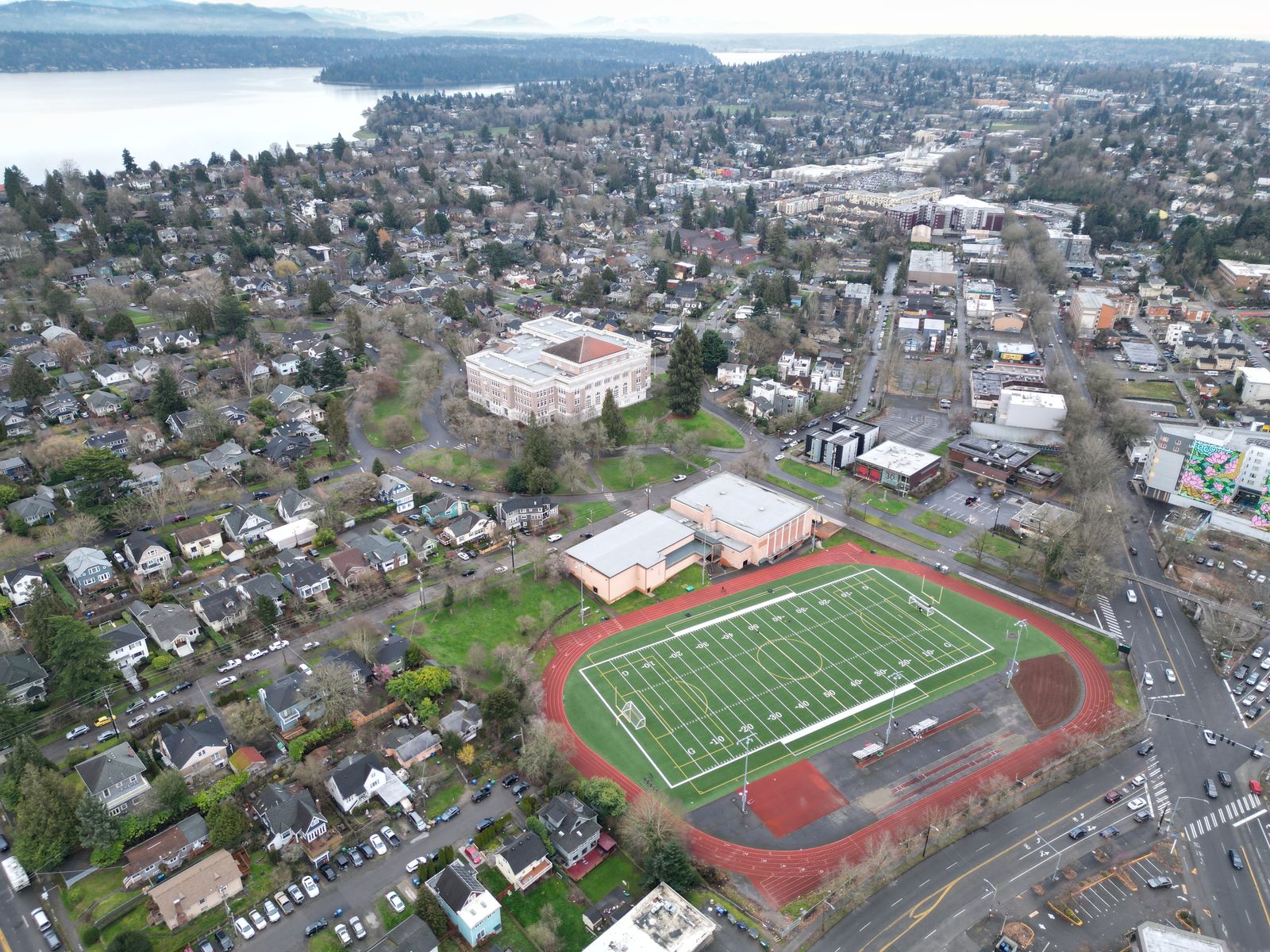
Bulldogs · Purple & WhiteIn the Central District itself. For a long stretch of the twentieth century, the center of Black Seattle’s public life — and the room where King, Jackson, and Carmichael all spoke.
Franklin
Quakers · Forest Green & BlackOn Mount Baker Boulevard, sitting between the CD and the south end — which for a lot of families turned out to be the direction everybody was headed.
Rainier Beach
Vikings · Blue & OrangeThe south end anchor, down on Seward Park Avenue. For plenty of households, the first school after the move — and the one where the CD and the south end became the same thing.
Letters and official colors only — Garfield in purple and white, Franklin in forest green and black, Rainier Beach in blue and orange. No school’s color appears under another school’s name, and no official school mark appears anywhere on this site. King Versant is not affiliated with or endorsed by Seattle Public Schools.
7. Right now
The reclaiming is already happening.
None of this is finished history. People are working the CD today, and they’re doing it in public:
Wa Na Wari
A Black arts and community house founded in 2019, standing directly against the gentrification that pulled the neighborhood apart.
Africatown Community Land Trust
Acquiring land and building housing in the Central District — ownership as the answer to displacement.
State of Africatown 2026
This year’s gathering, themed “From Harm to Repair: Rebuilding a Black and Thriving Central District.”
The City of Seattle awarded $22 million in Equitable Development Initiative grants to 42 organizations in 2025, money aimed squarely at anti-displacement work.
King Versant isn’t any of these organizations and doesn’t speak for them. We point at them because they’re doing the ground work, and because anybody reading this page should know where to go.
8. Still to come
Central Dynasty.
A rap group out of the Central District. This site’s founder is the son of one of its members, and that history belongs on this page — properly, with names, dates, and photographs cleared by the people in them.
Members, years active, releases, and photographs go here when the family supplies them and clears them — and not before. We’re not guessing at somebody’s father’s life.
Sources
Where all of this came from.
Every historical claim above traces to one of these. If we got something wrong, tell us and we’ll fix it in public.
- Harvard Systemic Justice Project, “Redlining and Disinvestment: A Case Study on Racial Segregation and Gentrification Throughout Seattle’s Central District.” — redlining and restrictive covenants.
- KUOW, “Race Matters: Understanding How the Central Area Was Gentrified.”
- Fodor’s, “How Seattle’s Central District Is Reclaiming Its Black Heritage.” — the thirty-plus Jackson Street clubs; Ray Charles, Quincy Jones, and Ernestine Anderson; Hendrix’s 1959 first gig at Temple de Hirsch; the roughly 90 percent figure for the 1960s and below 10 percent by the late 2010s; Wa Na Wari’s 2019 founding.
- Wikipedia, Garfield High School (Seattle). — the 1961 figures of 51 percent versus 5.3 percent; King, Jackson, and Carmichael speaking at the school; Purple & White.
- Wikipedia, Franklin High School (Seattle). — Quakers; Forest Green & Black.
- HistoryLink, Seattle Public Schools, 1862–2000: Rainier Beach High School. — Vikings; blue and orange.
- The Seattle Times, “Central District’s Shrinking Black Community Wonders What’s Next” and “Historically Black Central District Could Be Less Than 10% Black in a Decade.” — the decline and the relocation into South King County.
- Africatown Community Land Trust, africatownlandtrust.org.
- The Facts, “The State of Africatown 2026: From Harm to Repair.”
- The Urbanist, “Seattle Equitable Development Grants” — $22 million to 42 organizations, 2025.
A note on the hex colors used across this site: the three schools publish color names, not official hex values. Ours are interpretations chosen to work together on screen, not official school colors.